The matched set is usually the wrong purchase
22 July 2026 · By Ray Denton

Sets exist because they are easier to sell, not because they are better to own.
One price, uneven quality
A matched set is priced as one thing, and that pricing hides an uneven distribution of quality. Manufacturers know which piece sells the set - the bed, or the dining table - and that is where the material and the construction time go. The bedside tables, the mirror, the chairs that come with the table: these are made to a residual budget so the package can hit a number. You are paying an average price for pieces of quite different value.
Collections get discontinued
There is also the matter of what happens next. Sets are collections, and collections are discontinued. If a chair breaks four years in, the replacement is very unlikely to be available, and a set with one visibly different chair looks considerably worse than a room that was never matched to begin with. A room assembled from separate decisions absorbs a replacement without anyone noticing.
Why matched rooms photograph badly
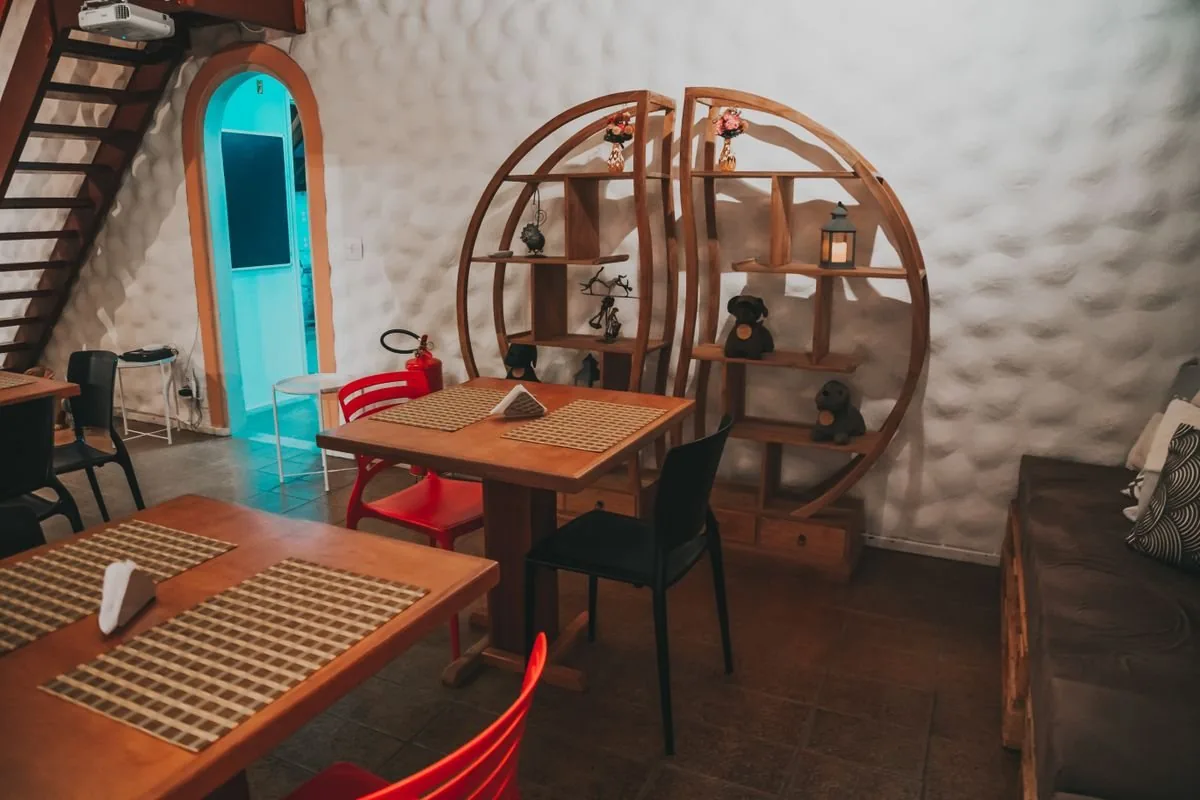
The visual argument is the one people find hardest to accept until they see it. A room where every wooden object is the same species, the same finish and the same design language reads as a showroom display rather than a room somebody lives in. Depth in a room comes from variation held together by something - a repeated tone, a consistent scale, a shared warmth of finish - not from everything being identical. Interior photographs that people find appealing almost never show a matched suite, which is worth noticing given how many suites are sold.
Buy the anchor piece, then everything else
The practical alternative is to identify the anchor. In a bedroom it is the bed; in a dining room the table; in a living room the sofa. Buy that one as well as the budget allows, judged on construction rather than on styling, because it is the piece that determines how the room works and the piece most expensive to replace. Then choose everything else against it over time, matching by tone and scale rather than by collection.
This works better financially too, and not only because you can spread it. The anchor piece is the one where paying more buys a genuinely longer life. On bedside tables and dining chairs, the difference between mid and high price is mostly finish and detail, so that is where a smaller budget does the least damage.
One qualification. If you are furnishing a whole house at once and time is genuinely short, a set solves a real problem and there is no need to feel bad about it. Just know that you are buying convenience, and buy the anchor piece separately if you can.