
How to judge it
Three checks, ninety seconds, no tools
If you do nothing else in a showroom, do these. They are quick, they are unambiguous, and they are the ones staff expect least.
2 September 2026

How to judge it
The practical core of the guide. Four pieces on what to look at, what to ignore, and what the answers actually mean.
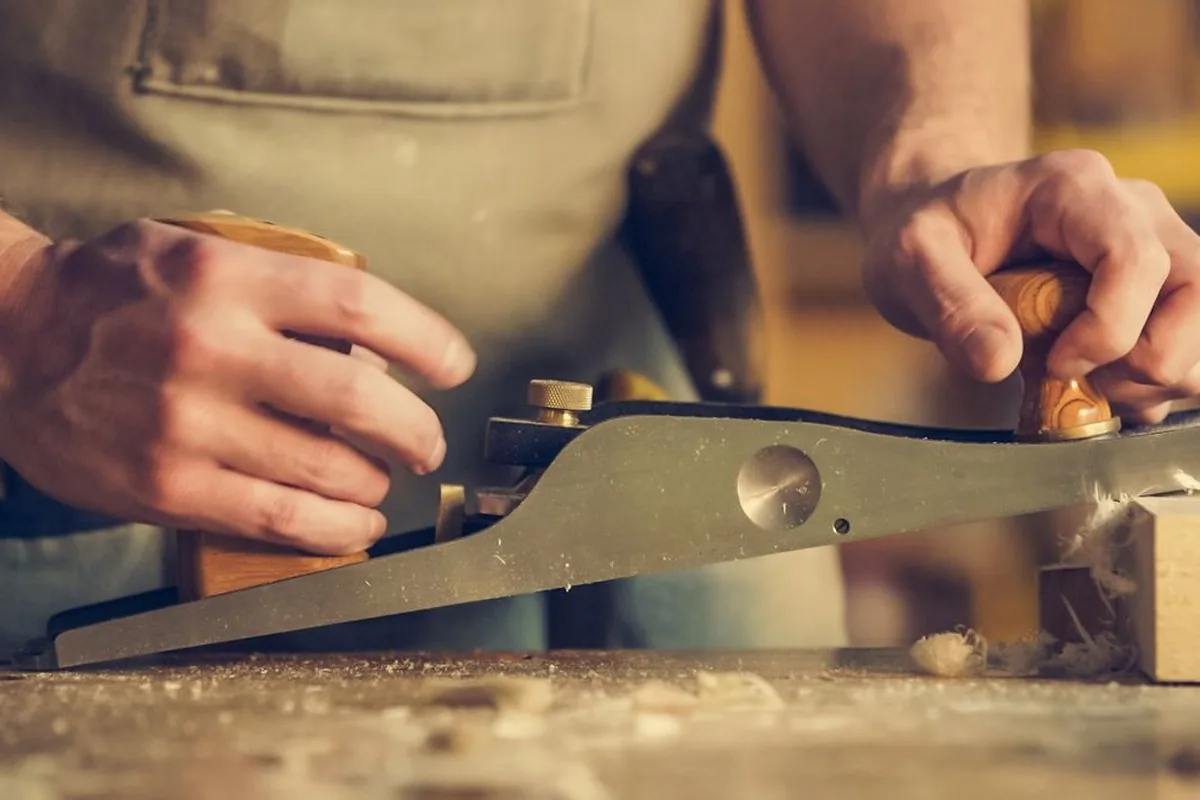
The checks in this section share a principle: look at the parts the maker did not expect you to look at. The front of a piece of furniture is the part that has been designed to sell it. The back, the underside and the inside of a drawer are the parts that were built to a budget, and they are therefore far more honest about what the whole thing is.
None of this requires a tape measure, a torch or an argument with a salesperson. It requires opening things and turning them over.
The four pieces here move from fastest to most detailed. The first is the ninety-second version - three things to do to any piece of furniture in a showroom, in order, with no tools and no expertise required. If you read nothing else on this site, that is the one that pays for itself.
The next two go into the case goods in detail: the drawer, which is the single most revealing component in any chest, dresser or sideboard, and the material terms, where the vocabulary is doing more work than most buyers realise. Veneer, in particular, is widely assumed to be a downgrade and frequently is not - it depends entirely on what it has been laid over.
The last piece covers upholstery, which is a different problem because none of the construction is visible. A sofa hides its frame, its suspension and its foam behind fabric, and the showroom experience - sitting on it - tests only the part that can be replaced. That piece sets out what to ask, what the answers mean, and the two physical checks that work through the upholstery.
4 pieces in this section
If you do nothing else in a showroom, do these. They are quick, they are unambiguous, and they are the ones staff expect least.
2 September 2026
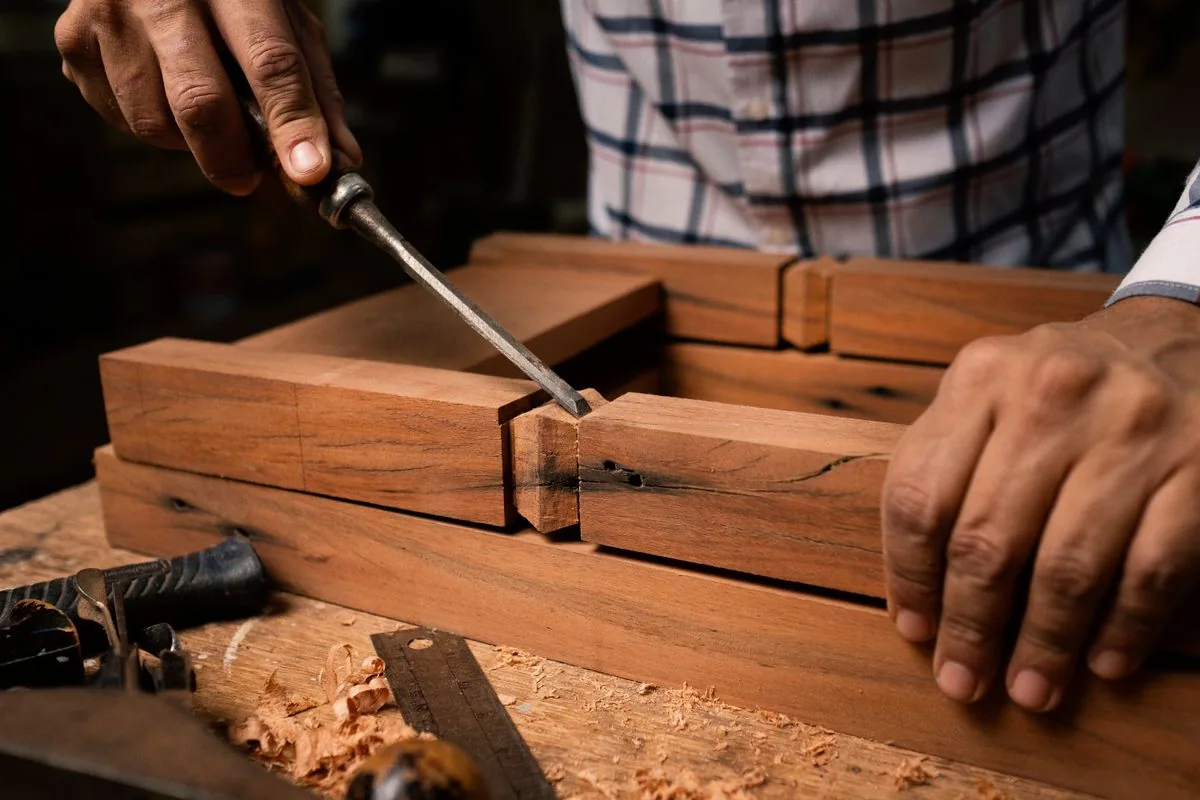
A drawer is the one component that gets pulled, loaded and slammed thousands of times. It is where corner-cutting shows up first.
19 August 2026

The term is not meaningless, but it covers far less of a piece of furniture than most people assume.
12 August 2026

Upholstery hides its own construction completely. Everything that determines whether a sofa lasts is underneath the fabric.
29 July 2026