
Room by room
The matched set is usually the wrong purchase
Sets exist because they are easier to sell, not because they are better to own.
22 July 2026

Room by room
Four pieces on assembling a room from separate decisions rather than buying it in one.
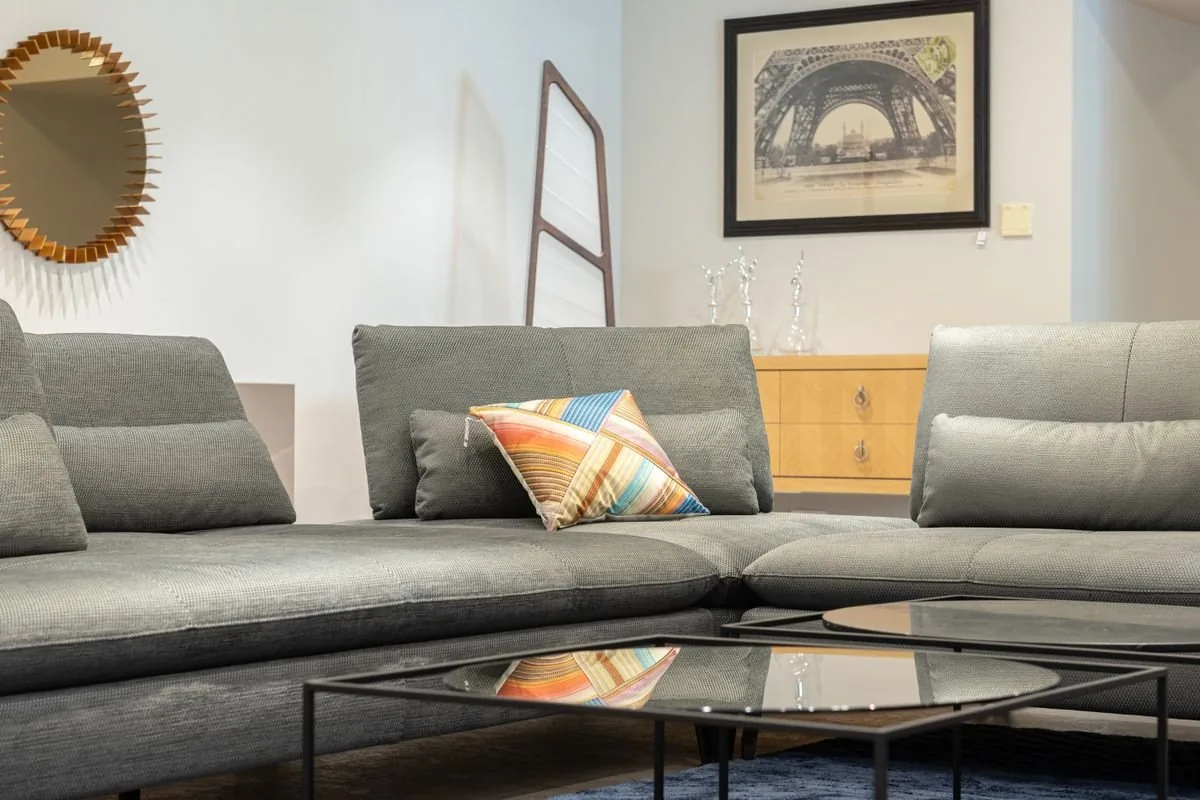
The showroom is arranged in sets because sets are easier to sell, easier to deliver and easier to price. None of those are reasons for you to buy one. A room that was assembled over time, from pieces chosen individually, almost always reads better than a room that arrived on one lorry - and it usually costs less, because you are not paying full price for the pieces you did not really want.
This section covers the two rooms where the set is hardest to resist, and then the stage almost everyone stops one step short of.
The first piece makes the general argument, which is that the matched set is a distribution problem dressed up as a design decision. Manufacturers put the material and the construction time into the piece that sells the set, and everything else in the box is made to a residual budget. Buying the anchor piece well and the rest separately gets a better room for the same money, and a room that survives a broken chair.
The two pieces that follow apply that to the rooms where the set is hardest to resist. Dining tables have a set of measurements that decide whether the room works at all, and they are worth getting right before any question of construction arises. Bedroom furniture fails quietly - a creaking bed joint, a drawer that stops running - and the failures trace back to a small number of details that are easy to check before buying.
The last piece is about the stage most people never reach. When the furniture has arrived and been placed and the room still reads as unresolved, the cause is almost always that the entire purchase happened below waist height and the walls were never addressed.
4 pieces in this section
Sets exist because they are easier to sell, not because they are better to own.
22 July 2026
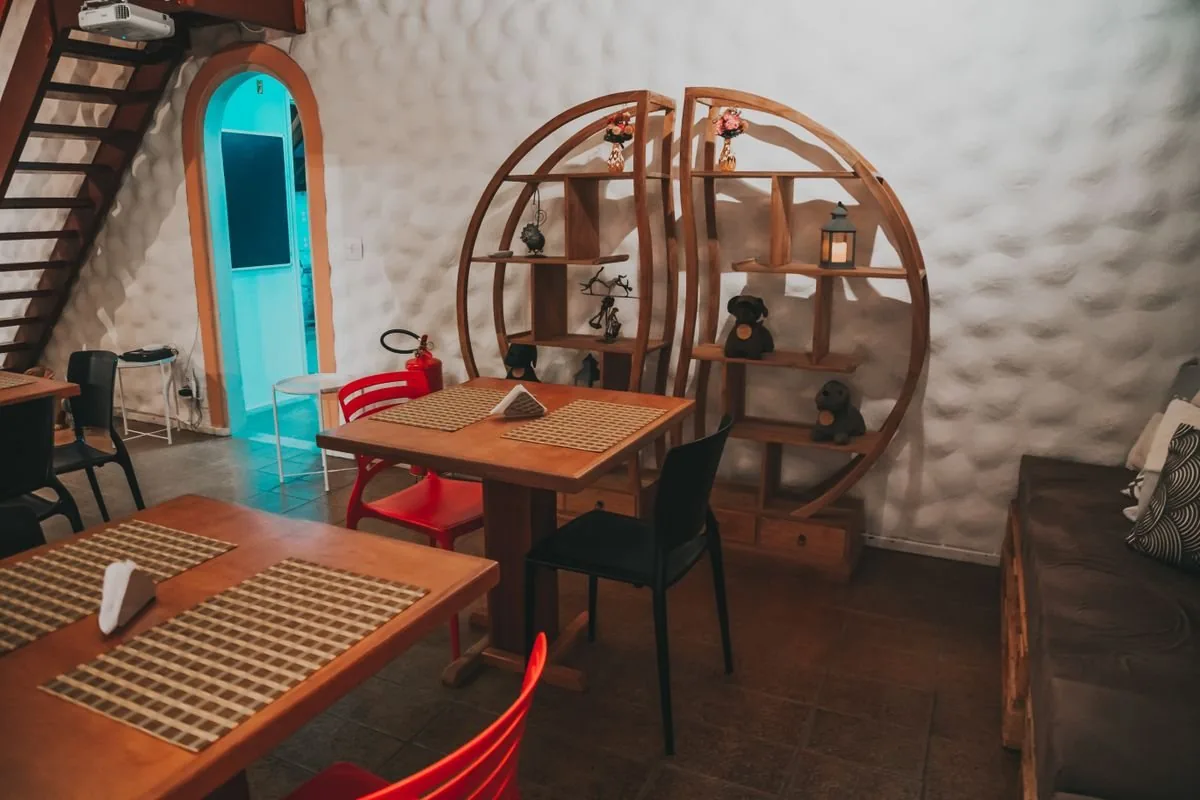
Heat, moisture, weight, and being leaned on daily. It is also the piece most likely to outlive the house it was bought for.
5 August 2026

A bed that creaks and a drawer that will not run are small daily irritations that compound over years.
8 July 2026
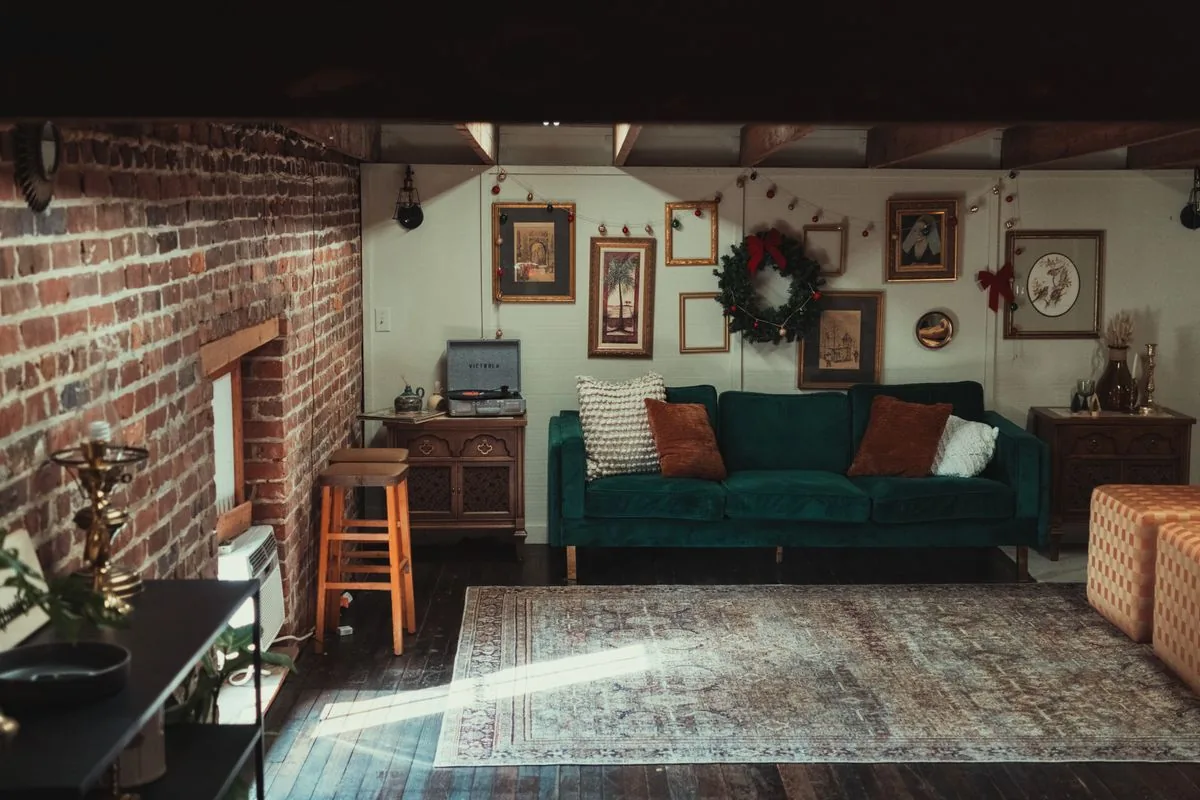
The furniture is bought, delivered and placed, and the room still reads as unresolved. It is almost always the same cause.
26 August 2026