
The trade
Timber, water and a railway junction
Industries settle where three or four advantages happen to overlap. In the North Carolina piedmont they overlapped unusually well.
17 June 2026

The trade
Four pieces on how the American furniture business came to sit in one part of one state, and what is left of it.

There is a reasonable question underneath all of this, which is why a guide to judging furniture should spend any time at all on industrial history. The answer is that the vocabulary is inherited. When a showroom tells you a case is built with a dust panel between the drawers, or that a sofa frame is kiln-dried hardwood, those are not marketing coinages - they are shop-floor terms from factories that were describing a standard practice, and they became selling points only once the practice stopped being standard.
Knowing which era a term comes from tells you what it is doing in a sentence. It is the difference between a claim and a description.
The sequence below runs chronologically for the first three pieces and then turns practical. Why the industry concentrated in one part of one state is a question with a specific and slightly unromantic answer, and it is worth having, because it explains why the concentration then unwound. The market at High Point is the part outsiders hear about and most often misunderstand - it is a wholesale event that decides what appears in shops six to nine months later, and you cannot attend it.
The third piece deals with what is left. The decline was uneven rather than total, and the pattern of what stayed - upholstery largely did, mass-market case goods largely did not - follows directly from how the two categories are built and shipped. That is a genuinely useful thing to understand, because it is the reason certain origin claims are plausible and others are not.
The last piece is the practical payoff: how the phrases on a country-of-origin label are worded, what each one is permitted to mean, and which of them makes any claim at all about where the piece was actually manufactured.
4 pieces in this section
Industries settle where three or four advantages happen to overlap. In the North Carolina piedmont they overlapped unusually well.
17 June 2026

Twice a year the town fills with buyers. Almost nothing on display is for sale to the public, and that is the point.
15 July 2026
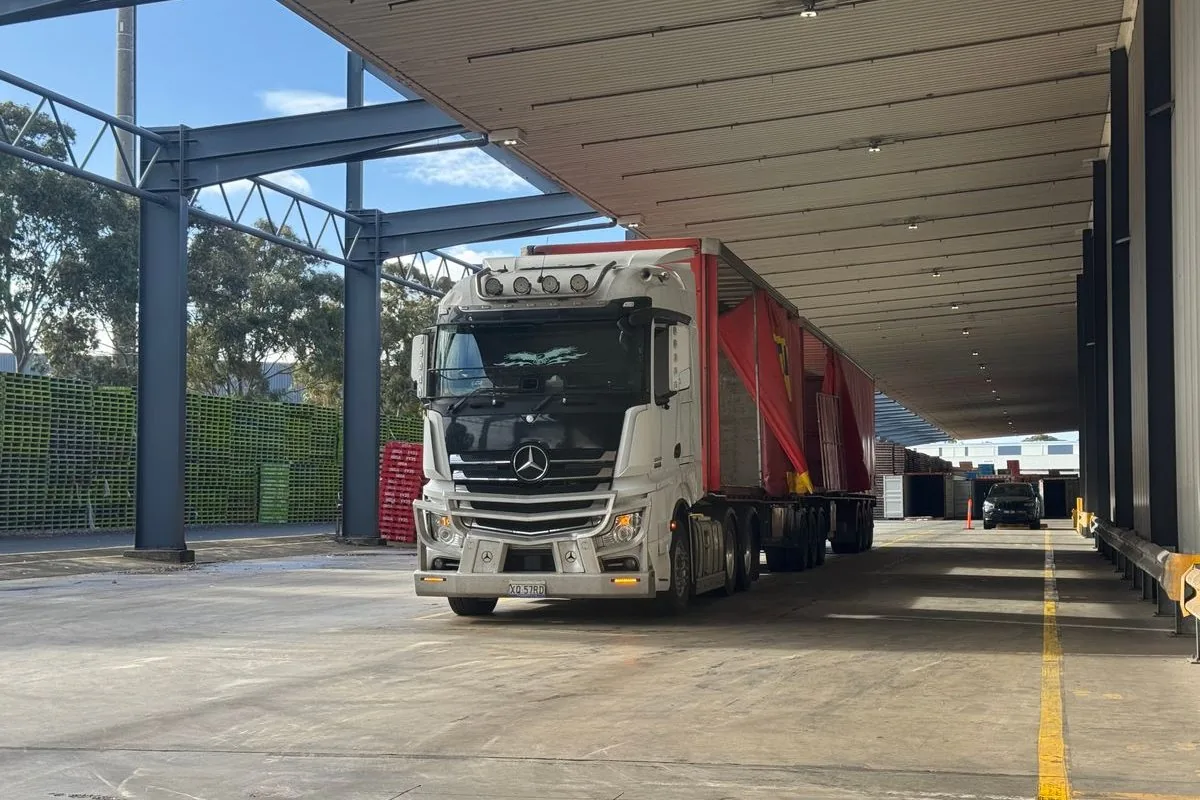
The decline was not uniform, and the pattern of what stayed tells you something useful about how furniture is actually built.
24 June 2026

The wording on a swing tag is chosen carefully. Reading it literally is the whole trick.
1 July 2026